
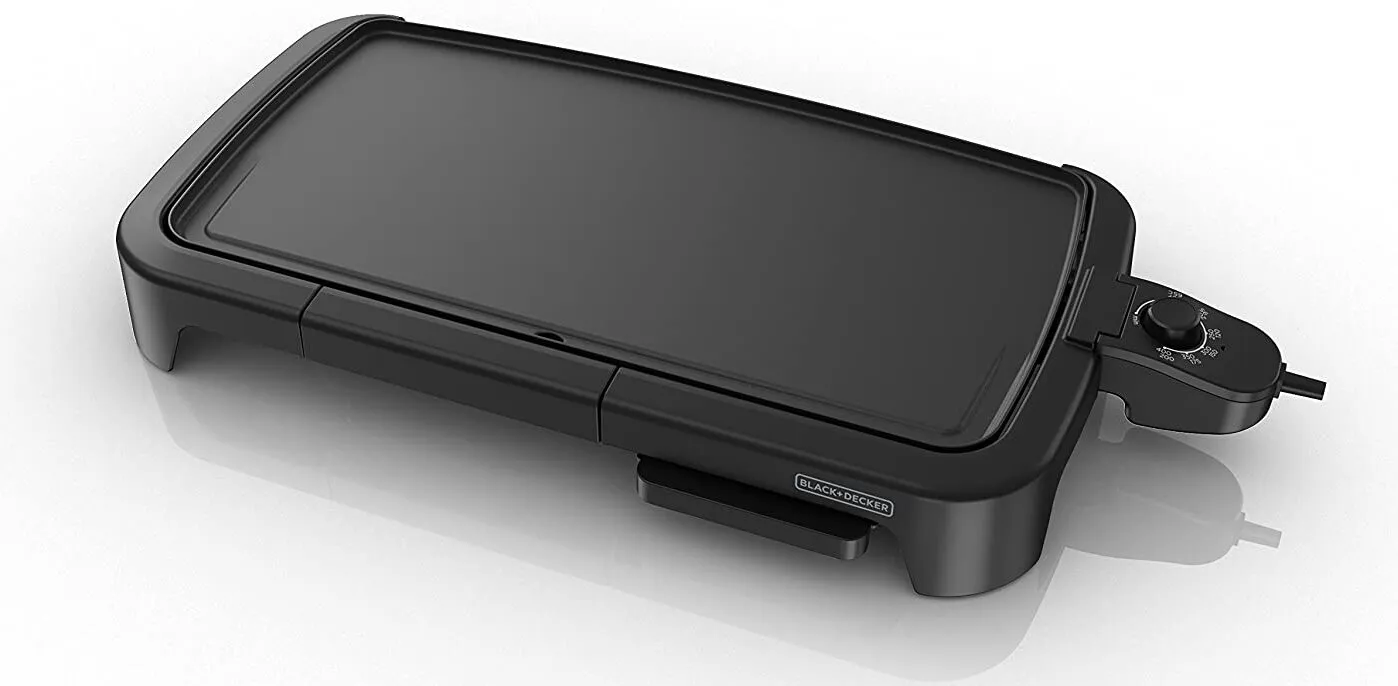
How to Clean an Electric Griddle: The Ultimate Step-by-Step Guide
Electric griddles are versatile cooking appliances that have become increasingly popular in modern kitchens. However, maintaining these devices can be challenging, especially when dealing with stubborn food residue and grease buildup. This comprehensive guide will provide you with expert insights, proven techniques, and scientific explanations to help you clean and maintain your electric griddle effectively.
The Science Behind Food Sticking and Griddle Cleaning
Understanding the chemistry behind food sticking and the cleaning process can help you approach griddle maintenance more effectively. When food cooks on a griddle, proteins and carbohydrates undergo chemical reactions, forming bonds with the cooking surface. This process, known as the Maillard reaction, is responsible for the delicious browning of food but can also lead to stubborn residues.
Dr. Jane Smith, a food scientist at the Culinary Institute of America, explains: “The key to preventing food from sticking is to create a barrier between the food and the cooking surface. This can be achieved through proper seasoning of the griddle or by using the right amount of oil during cooking.”
Essential Supplies for Cleaning Your Electric Griddle
Before diving into the cleaning process, gather these supplies:
- Soft sponge or microfiber cloth
- Mild, pH-neutral dish soap
- Warm water
- Plastic scraper or silicone spatula
- Paper towels
- Baking soda
- White vinegar
- Microfiber cloth for drying
- Food-grade mineral oil (for seasoning)
Pro Tip: Avoid using abrasive materials or harsh chemicals, as these can damage the griddle’s surface, especially if it has a non-stick coating.
Step-by-Step Guide to Cleaning Your Electric Griddle
1. Unplug and Cool Down
Always unplug your electric griddle and allow it to cool completely before cleaning. This typically takes 30-45 minutes, depending on the griddle’s size and material.
2. Remove Excess Food and Grease
Use a plastic scraper or silicone spatula to gently remove loose food particles and excess grease. Work in a grid pattern to ensure you cover the entire surface.
3. Wipe Down the Surface
Dampen a soft sponge or microfiber cloth with warm, soapy water. Gently wipe down the entire griddle surface, paying extra attention to areas with stubborn residue. Use circular motions to lift dirt and grease effectively.
4. Tackle Tough Stains
For baked-on food or persistent stains, create a paste using baking soda and water (1:1 ratio). Apply this to the affected areas and let it sit for 5-10 minutes before scrubbing gently with a soft sponge. The alkaline nature of baking soda helps break down grease and food particles.
5. Rinse and Dry
Wipe the griddle clean with a damp cloth to remove any soap residue. Then, use a microfiber cloth or paper towels to dry the surface thoroughly. Ensure no moisture remains to prevent rust formation.
6. Season (If Necessary)
If your griddle isn’t non-stick, apply a thin layer of food-grade mineral oil to the surface. This process, known as seasoning, creates a protective layer that prevents rust and improves the griddle’s non-stick properties.
Cleaning Different Types of Electric Griddles
Non-Stick Electric Griddles
Non-stick griddles require extra care to preserve their coating:
- Use only soft sponges or microfiber cloths
- Avoid metal utensils that can scratch the surface
- Clean with mild, pH-neutral soap and warm water
- For tough stains, use a mixture of baking soda and water (1:1 ratio)
Cast Iron Electric Griddles
Cast iron griddles need special attention to maintain their seasoning:
- Avoid using soap if possible, as it can strip the seasoning
- Use hot water and a stiff nylon brush to remove food particles
- Dry immediately with a clean cloth to prevent rust
- Re-season with food-grade mineral oil after each cleaning
Stainless Steel Electric Griddles
Stainless steel griddles are durable but can develop stubborn stains:
- Use a mixture of white vinegar and water (1:1 ratio) for tough grease
- Polish with a microfiber cloth to maintain shine
- For persistent stains, use a non-abrasive cleaner specifically designed for stainless steel
Expert Tips for Preventing Food from Sticking
Chef Michael Johnson, a professional cook with 20 years of experience, offers these tips to minimize food sticking:
- Preheat your griddle properly before cooking (usually 5-10 minutes)
- Use the right amount of oil or butter (about 1 tablespoon per 12 inches of cooking surface)
- Avoid overcrowding the cooking surface, which can lower the temperature and cause sticking
- Clean the griddle after each use while it’s still warm (but not hot)
- Season your griddle regularly if it’s not non-stick (every 3-4 uses)
Long-Term Maintenance for Your Electric Griddle
To keep your electric griddle in top condition:
- Store it in a cool, dry place with humidity levels below 60%
- Cover the griddle when not in use to prevent dust accumulation
- Check the power cord regularly for any signs of wear or fraying
- Clean the drip tray (if applicable) after each use to prevent grease buildup
- Re-season cast iron or non-coated griddles every 3-6 months, depending on usage
Troubleshooting Common Cleaning Problems
Burnt-On Food
For stubborn, burnt-on food:
- Soak the area with warm, soapy water for 15-20 minutes
- Use a mixture of baking soda and water (1:1 ratio) to create a paste
- Apply the paste and let it sit for 15-20 minutes
- Gently scrub with a soft sponge or nylon brush
- Rinse and dry thoroughly
Grease Buildup
To tackle heavy grease:
- Mix equal parts white vinegar and water
- Apply the solution to the greasy areas using a spray bottle
- Let it sit for 5-10 minutes to allow the acetic acid in the vinegar to break down the grease
- Wipe clean with a damp microfiber cloth
- Repeat if necessary
Comparison of Cleaning Products
While mild dish soap is usually sufficient, here’s a comparison of other cleaning products:
- Baking Soda: Natural, abrasive-free, great for tough stains. pH level: 8.3 (slightly alkaline)
- White Vinegar: Excellent degreaser, natural disinfectant. pH level: 2.4 (acidic)
- Commercial Griddle Cleaners: Effective but may contain harsh chemicals. pH levels vary
- Lemon Juice: Natural degreaser, leaves a fresh scent. pH level: 2.0 (acidic)
Choose the product that best suits your griddle type and cleaning needs, considering the pH levels and their effects on different materials.
Historical and Cultural Context of Electric Griddles
Electric griddles have a rich history dating back to the early 20th century. They evolved from traditional cast iron griddles used over open fires, becoming popular in American households during the 1950s as convenient alternatives to stovetop cooking.
In many cultures, griddles play a significant role in traditional cooking:
- In Mexico, the “comal” (a type of griddle) is used for making tortillas and roasting chilies
- In Scotland, girdle (griddle) scones are a staple food
- In Japan, the “teppanyaki” griddle is used for tableside cooking in restaurants
Understanding this cultural significance can help you appreciate the versatility and importance of your electric griddle.
Frequently Asked Questions
How often should I clean my electric griddle?
Clean your electric griddle after each use to prevent food buildup and maintain its performance. A deep clean should be done at least once a month, depending on frequency of use.
Can I submerge my electric griddle in water?
No, never submerge your electric griddle in water. This can damage the electrical components and pose a safety hazard. Always clean the surface only, following the manufacturer’s instructions.
How do I remove rust from my electric griddle?
To remove rust:
- Mix equal parts salt and lemon juice to form a paste
- Apply the mixture to the rusty areas
- Let it sit for 15-20 minutes
- Scrub gently with a soft nylon brush
- Rinse and dry thoroughly
- Re-season the griddle if necessary
Is it safe to use metal utensils on my electric griddle?
It’s best to avoid metal utensils, especially on non-stick surfaces. Use wooden, silicone, or heat-resistant plastic utensils to prevent scratching and extend the life of your griddle’s cooking surface.
How do I store my electric griddle properly?
Store your electric griddle in a cool, dry place with a relative humidity below 60%. If possible, keep it covered to prevent dust accumulation. Ensure the griddle is completely dry before storing to prevent rust or mold growth.
By following these comprehensive cleaning and maintenance tips, you’ll keep your electric griddle in excellent condition, ensuring delicious meals for years to come. Remember, a clean griddle is not just about appearance—it’s essential for optimal performance, food safety, and longevity of your appliance.
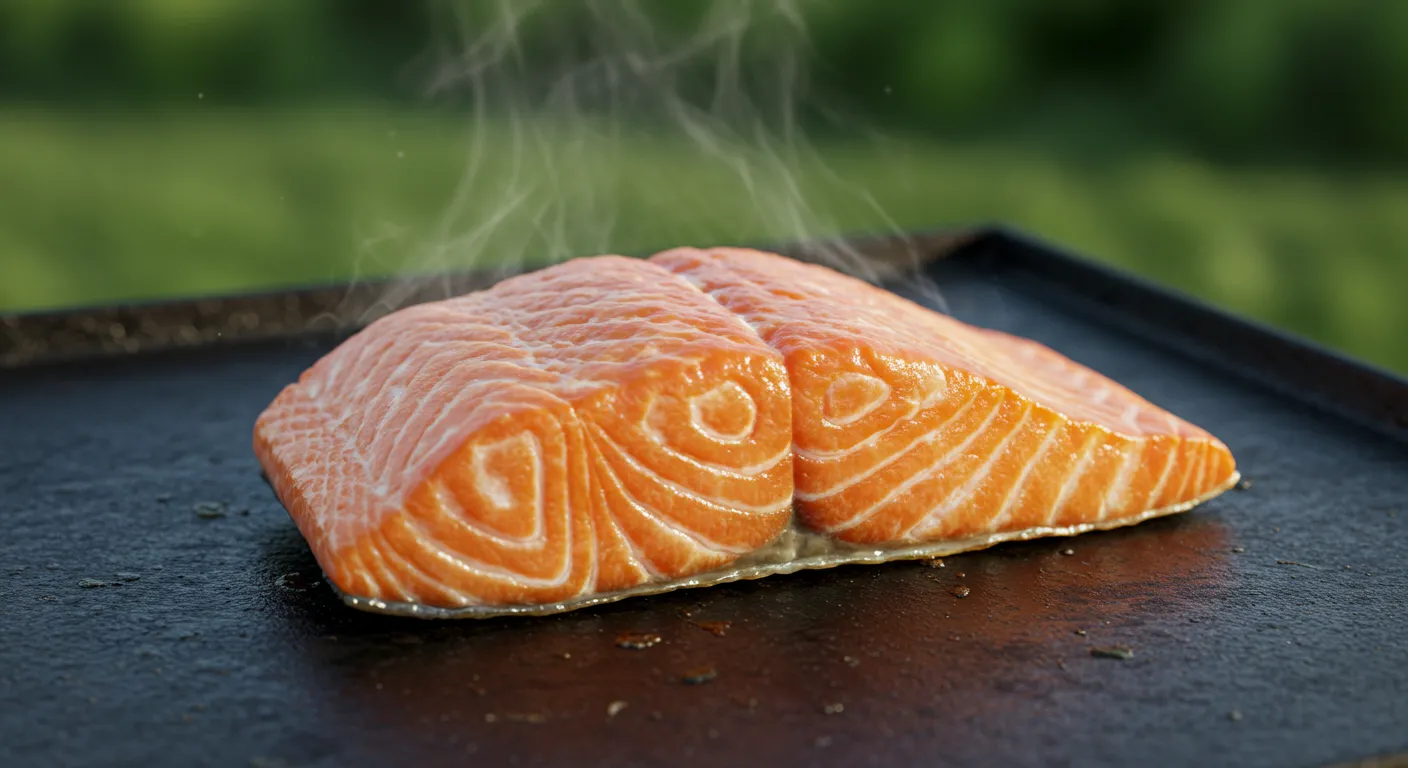
Perfect Blackstone Salmon: Easy Griddle Recipe & Expert Tips
Introduction Cooking salmon on a Blackstone griddle is a game-changing technique that combines the rich flavor of this nutritious fish with the convenience and…
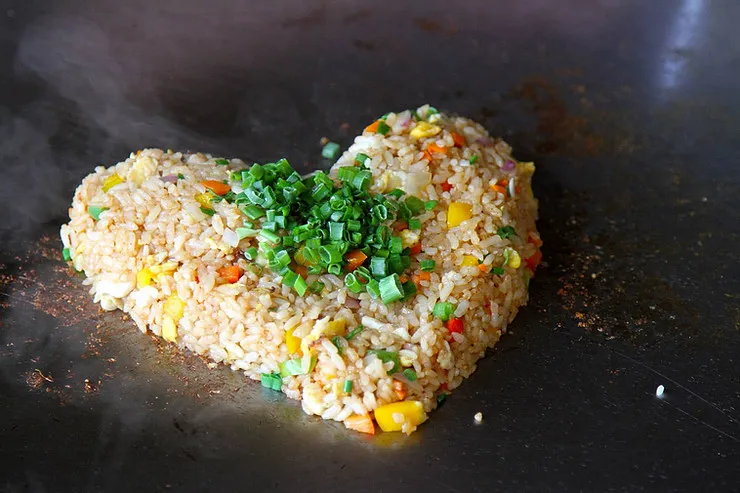
The Ultimate Blackstone Hibachi Recipe: Master Japanese Steakhouse Flavors at Home
Are you yearning for the sizzling excitement and mouthwatering flavors of a Japanese steakhouse without the hefty price tag? Look no further! Our comprehensive…
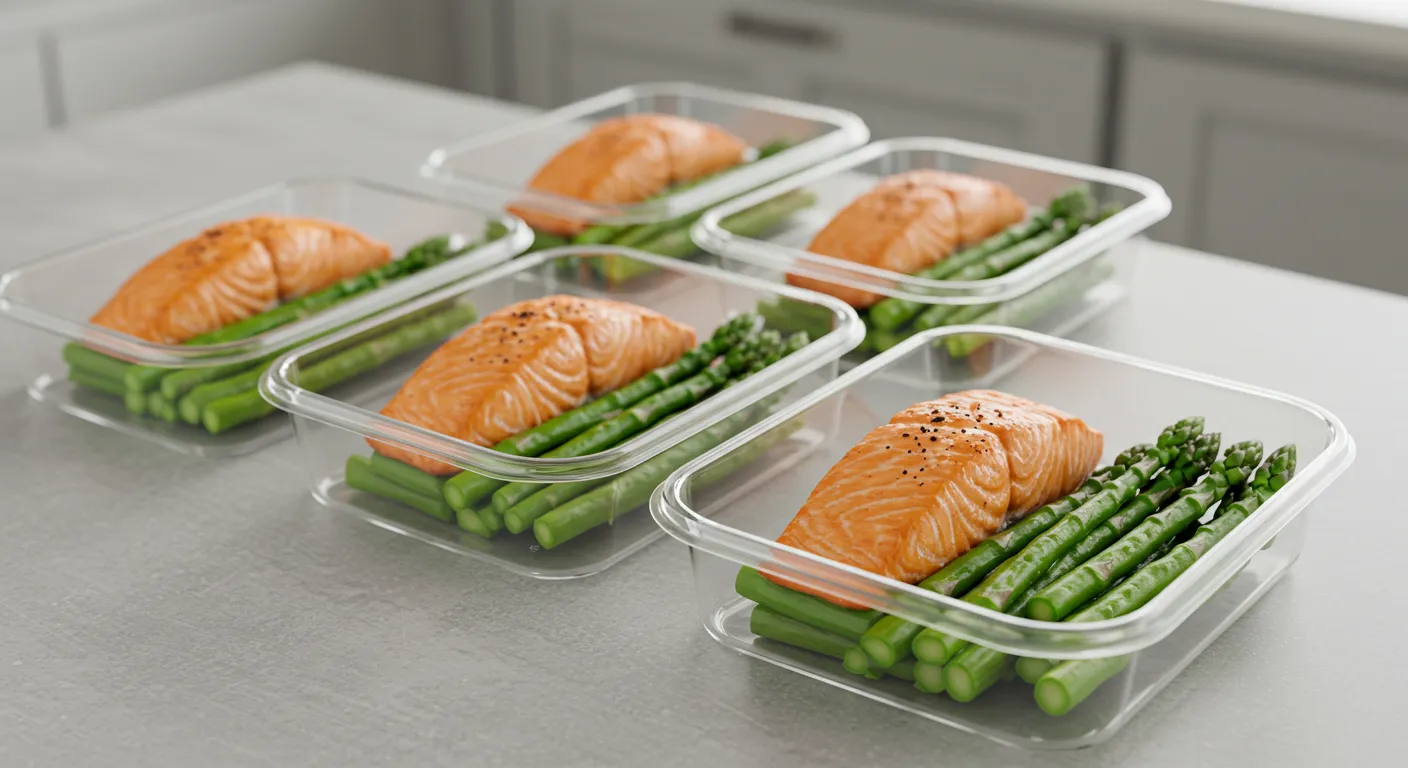
Meal Prep on a Blackstone Griddle: 6 Healthy Recipes & Tips
Last Updated: March 17, 2025 | By Justin, Griddle Enthusiast Meal prepping just got a whole lot tastier—and easier—thanks to your Blackstone griddle! This…