
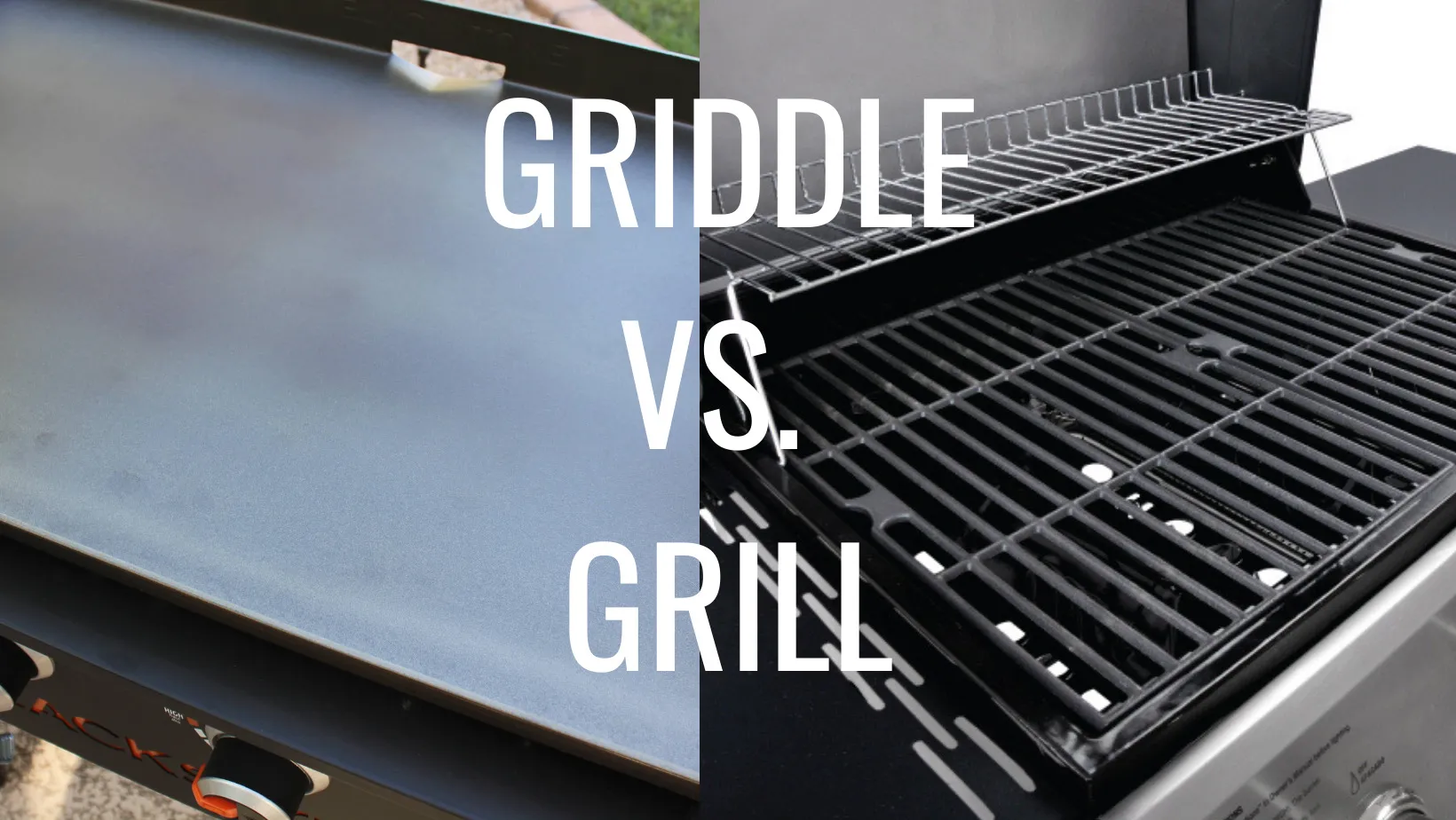
Griddle vs. Grill: A Comprehensive Guide
Are you torn between choosing a griddle or a grill for your outdoor cooking adventures? This comprehensive guide will unravel the mystery of griddles versus grills, helping you make an informed decision that suits your culinary needs and preferences.
Many home cooks and outdoor enthusiasts face the dilemma of selecting the right cooking surface for their needs. Should you opt for the versatile griddle or the classic grill? Each has its unique advantages, and understanding these differences is crucial for enhancing your cooking experience.
In this guide, we’ll explore the distinct features of griddles and grills, their ideal uses, and how to choose the perfect option for your cooking style. By the end, you’ll have all the information you need to elevate your outdoor cooking game.
Here’s what we’ll cover:
- Definitions and basic characteristics of griddles and grills
- Key differences in design and functionality
- Cooking styles and food types suited for each
- Pros and cons of griddles and grills
- Maintenance and cleaning tips
- How to choose the right option for your needs
Let’s dive in and discover which cooking surface will best satisfy your culinary cravings!
What is a Griddle?
A griddle is a flat cooking surface typically made of cast iron, steel, or aluminum. Its smooth, even surface is perfect for cooking a wide variety of foods, from breakfast classics to gourmet dinners.
History and Evolution
Griddles have been used for centuries, with early versions dating back to ancient civilizations. The concept of cooking on a flat, heated surface has evolved from simple stone or metal plates to today’s modern electric and gas-powered griddles.
- Ancient times: Stone and metal plates used for cooking
- Middle Ages: Cast iron griddles became popular in Europe
- 1920s: First commercial electric griddles appeared in American diners
- 1950s-1960s: Home griddles gained popularity for indoor cooking
- 21st century: Advanced materials and temperature control features introduced
Design and Heat Distribution
The key feature of a griddle is its flat, smooth surface. This design allows for even heat distribution across the entire cooking area, which is crucial for consistent results.
Griddle materials:
- Cast iron: Excellent heat retention, requires seasoning
- Stainless steel: Durable, easy to clean, less prone to rusting
- Aluminum: Lightweight, heats quickly, may not retain heat as well
Heat sources:
- Gas griddles: Use burners beneath the cooking surface
- Electric griddles: Have heating elements embedded in the plate
- Stovetop griddles: Placed directly on burners or grill grates
Heat distribution characteristics:
- Even heating across the surface
- Consistent temperature control
- Ability to create different temperature zones
Ideal Foods for Griddle Cooking
Griddles excel at cooking a wide range of foods, particularly those that benefit from a flat, even cooking surface.
Breakfast items:
- Pancakes and crepes
- Eggs (fried, scrambled, or omelettes)
- French toast
- Bacon and sausages
Sandwiches and burgers:
- Grilled cheese sandwiches
- Panini and pressed sandwiches
- Burgers and sliders
- Quesadillas and wraps
Vegetables and sides:
- Stir-fries and sautéed vegetables
- Hash browns and home fries
- Grilled onions and peppers
- Corn cakes and vegetable fritters
Meats and seafood:
- Thin steaks and chops
- Fish fillets
- Shrimp and scallops
- Chicken breasts
International cuisine:
- Fajitas
- Teppanyaki-style dishes
- Crepes and blintzes
- Flatbreads and naan
The versatility of a griddle makes it a popular choice for those who enjoy cooking a variety of dishes on a single surface. Its ability to maintain consistent temperatures and provide even heating makes it ideal for both delicate foods and those requiring a perfect sear.
What is a Grill?
A grill is a cooking appliance designed for outdoor cooking that uses direct heat to cook food. Grills come in various types, including charcoal, gas, and electric models.
History and Evolution
Grilling has been a cooking method for thousands of years, with evidence of grilling techniques dating back to ancient civilizations.
Timeline of grill evolution:
- Prehistoric times: Open-fire cooking on wooden structures
- Ancient civilizations: Use of metal grates over fire pits
- 1897: Ellsworth B. A. Zwoyer patents a charcoal briquet
- 1920s: First portable charcoal grills appear
- 1952: George Stephen invents the Weber kettle grill
- 1960s: Gas grills gain popularity
- 1980s-present: Infrared grills, pellet grills, and smart grills introduced
Design and Heat Distribution
Grills typically feature an open design with a grate or grill bars placed over a heat source. This design allows for direct heat cooking and creates those coveted grill marks on food.
Common types of grills:
- Charcoal grills: Use burning charcoal as a heat source
- Gas grills: Powered by propane or natural gas
- Electric grills: Use electric heating elements
- Pellet grills: Burn wood pellets for heat and flavor
Grill components:
- Cooking grates: Usually made of cast iron, stainless steel, or porcelain-coated steel
- Burners or heat source: Provide the primary cooking heat
- Lid: Helps control temperature and smoke
- Vents: Allow for airflow and temperature control
- Drip pan: Collects grease and drippings
Heat distribution characteristics:
- Direct heat cooking over the heat source
- Potential for hot and cool zones
- Ability to create two-zone cooking setups
Ideal Foods for Grill Cooking
Grills are particularly well-suited for foods that benefit from high heat and smoky flavor.
Meats:
- Steaks and chops
- Burgers and hot dogs
- Chicken (whole or pieces)
- Ribs and brisket
- Kebabs and skewers
Seafood:
- Fish fillets and steaks
- Whole fish
- Shrimp and scallops
- Lobster tails
Vegetables:
- Corn on the cob
- Bell peppers and onions
- Zucchini and eggplant
- Asparagus and green beans
Fruits:
- Pineapple slices
- Peaches and nectarines
- Watermelon
- Bananas (in their peels)
Other foods:
- Pizza (on a pizza stone)
- Flatbreads and naan
- Tofu and tempeh
- Grilled cheese sandwiches
The ability to impart a smoky flavor and create attractive grill marks makes grills a favorite for outdoor cooking enthusiasts. The high heat and open flame of a grill can create a unique flavor profile that’s difficult to replicate with other cooking methods.
Key Differences Between Griddles and Grills
Understanding the key differences between griddles and grills is crucial for choosing the right cooking surface for your needs. Let’s break down these differences in a clear, easy-to-understand format.
Cooking Surface
-
Griddle:
- Flat, smooth surface typically made of cast iron or steel
- Provides even contact with food
- Ideal for foods that require a consistent, flat cooking area
-
Grill:
- Open grate design with bars or rods, usually made of stainless steel or cast iron
- Creates distinctive grill marks on food
- Allows fat and juices to drip away from food
Heat Distribution
-
Griddle:
- Even heat distribution across the entire cooking surface
- Allows for precise temperature control
- Can maintain consistent low to medium-high temperatures
-
Grill:
- Can have hot and cool spots, with direct heat beneath the grates
- Offers high-heat cooking capabilities
- Allows for creation of different temperature zones
Flavor Profile
-
Griddle:
- Foods cook in their own juices, potentially leading to a more moist result
- Can develop a nice crust or caramelization on foods
- Flavor comes primarily from the food itself and any added fats or seasonings
-
Grill:
- Dripping fats create smoke, imparting a distinct smoky flavor to foods
- Char from high heat adds complexity to the flavor
- Can infuse additional flavors through wood chips or charcoal
Versatility
-
Griddle:
- Excellent for a wide range of foods, including delicate items like eggs and pancakes
- Can handle small or finely chopped ingredients without losing them through grates
- Ideal for cooking with sauces or liquids
-
Grill:
- Best for meats, vegetables, and foods that benefit from char marks and smoky flavor
- Can be used for indirect cooking of larger items like whole chickens or roasts
- Some models offer additional features like side burners or smoker boxes
Temperature Control
-
Griddle:
- Generally easier to maintain consistent temperatures across the cooking surface
- Allows for precise control over cooking temperature
- Can quickly adjust to temperature changes
-
Grill:
- May require more skill to manage different temperature zones
- Offers very high heat for searing and charring
- Temperature control can be more challenging, especially with charcoal grills
Grease Management
-
Griddle:
- Grease remains on the cooking surface, which can be beneficial for some foods
- May require more frequent cleaning during cooking sessions
- Some models have built-in grease management systems
-
Grill:
- Excess fat drips away from the food, potentially reducing calorie content
- Dripping fats can cause flare-ups if not managed properly
- Usually equipped with a grease collection system
Maintenance
-
Griddle:
- Requires regular seasoning to maintain the non-stick surface
- Needs to be cleaned and oiled after each use
- May be more susceptible to rust if not properly maintained
-
Grill:
- Grates need to be brushed clean after each use
- Periodic deep cleaning required to remove built-up grease and carbon
- May need replacement of parts like burners or heat shields over time
Portability
-
Griddle:
- Many models are designed for easy transport and outdoor use
- Flat surface makes it easier to pack and transport
- Some tabletop models are highly portable
-
Grill:
- Traditional models can be bulky, but portable options are available
- Some designs fold up for easy transport
- Typically heavier than griddles of similar size
Cooking Techniques
-
Griddle:
- Excels at searing, sautéing, and cooking with liquids
- Ideal for stir-frying and shallow frying
- Can be used for pressing sandwiches or meats
-
Grill:
- Ideal for direct heat cooking, smoking, and creating char marks
- Can be used for two-zone cooking (direct and indirect heat)
- Some models allow for rotisserie cooking
Visual Appeal
-
Griddle:
- Produces evenly browned foods without grill marks
- Creates a consistent sear across the entire surface of the food
- Ideal for achieving a perfect crust on foods like burgers
-
Grill:
- Creates distinctive grill marks and charred edges on foods
- Provides a traditional barbecue appearance to foods
- Can create an attractive caramelized exterior on meats and vegetables
This comparison highlights the unique strengths of each cooking surface. Your choice between a griddle and a grill will depend on your preferred cooking style, the types of food you enjoy preparing, and your specific needs for outdoor cooking.
Cooking Styles: Griddle vs. Grill
The cooking styles associated with griddles and grills are distinct, each offering unique benefits and flavors. Understanding these differences can help you choose the right cooking method for your favorite dishes.
Griddle Cooking Styles
-
Searing:
- The flat, hot surface of a griddle is excellent for achieving a perfect sear on meats and vegetables
- Creates a flavorful crust while retaining moisture inside
- Ideal for steaks, burgers, and scallops
-
Sautéing:
- The large surface area allows for easy sautéing of vegetables and stir-frying
- Provides even heat distribution for consistent cooking
- Perfect for dishes like fajitas or vegetable medleys
-
Shallow Frying:
- Griddles are ideal for foods that benefit from cooking in a small amount of oil
- Allows for crispy exteriors while maintaining tender interiors
- Great for foods like eggs, hash browns, or breaded cutlets
-
Toasting:
- Perfect for achieving evenly toasted bread for sandwiches
- Allows for direct contact with the heating surface for consistent browning
- Ideal for items like grilled cheese or panini
-
Steaming:
- By using a dome or cover, you can create a steaming environment for delicate foods
- Helps retain moisture and cook foods gently
- Useful for items like dumplings or delicate fish fillets
Grill Cooking Styles
-
Direct Grilling:
- Foods are cooked directly over the heat source
- Ideal for thin cuts of meat and vegetables
- Creates distinctive grill marks and char
-
Indirect Grilling:
- For larger cuts of meat, food is placed away from the direct heat source for slower cooking
- Allows for even cooking of thick items without burning the exterior
- Perfect for items like whole chickens or large roasts
-
Smoking:
- Many grills can be set up for low and slow cooking with wood chips for added smoky flavor
- Infuses foods with complex flavors over long cooking periods
- Ideal for items like brisket, ribs, or whole turkeys
-
Rotisserie:
- Some grills come with rotisserie attachments for evenly cooked whole chickens or roasts
- Provides consistent heat and self-basting as the meat rotates
- Creates juicy, evenly cooked results
-
Plank Grilling:
- Cooking on wooden planks adds subtle flavors to fish and other delicate foods
- Imparts a gentle smokiness while protecting delicate items from direct heat
- Often used for salmon or other tender fish fillets
Comparing Cooking Results
-
Texture:
- Griddle: Produces an even, crispy exterior on foods like burgers and grilled cheese
- Grill: Creates a charred exterior with grill marks, offering a contrast of textures
-
Moisture Retention:
- Griddle: Foods often retain more moisture as they cook in their own juices
- Grill: The open design can lead to some moisture loss, but this can result in desirable caramelization
-
Flavor Infusion:
- Griddle: Flavors are concentrated as foods cook in their own juices
- Grill: Imparts a distinct smoky flavor, especially when using charcoal or wood chips
-
Versatility:
- Griddle: Excels at cooking a wide range of foods, from delicate items to hearty meats
- Grill: Best for foods that benefit from high heat and smoke exposure
-
Cooking Speed:
- Griddle: Generally provides faster cooking times due to consistent surface contact
- Grill: Cooking times can vary based on heat distribution and item thickness
-
Visual Appeal:
- Griddle: Produces evenly browned foods with a consistent appearance
- Grill: Creates visually appealing grill marks and charred edges
By understanding these cooking styles, you can make the most of your chosen cooking surface and create delicious meals tailored to your preferences. Whether you prefer the versatility of a griddle or the classic charm of a grill, both offer unique ways to enhance your culinary creations.
Choosing the Right Cooking Method for Your Needs
Selecting between a griddle and a grill depends on various factors, including your cooking preferences, the types of food you enjoy, and your lifestyle. Here’s a comprehensive guide to help you make the best choice for your needs.
Consider Your Favorite Foods
-
Choose a Griddle If You Love:
- Breakfast foods (pancakes, eggs, bacon)
- Sandwiches and burgers with a perfect sear
- Stir-fries and sautéed vegetables
- Delicate foods like fish or shellfish
- Grilled cheese and panini
- Hash browns and home fries
- Crepes and blintzes
-
Choose a Grill If You Prefer:
- Steaks and chops with grill marks
- Barbecue-style meats with a smoky flavor
- Grilled vegetables with a charred exterior
- Foods that benefit from fat dripping away during cooking
- Kabobs and skewers
- Whole chickens or large roasts
- Pizza cooked on a stone
Assess Your Cooking Style
-
Opt for a Griddle If You:
- Enjoy cooking a variety of foods on one surface
- Prefer precise temperature control
- Like to cook with sauces or liquids
- Want to cook smaller or delicate items without losing them through grates
- Enjoy making breakfast for large groups
- Like to experiment with different cuisines (e.g., teppanyaki, crepes)
- Want to cook indoors and outdoors
-
Choose a Grill If You:
- Love the flavor imparted by charcoal or wood smoke
- Enjoy cooking larger cuts of meat
- Prefer foods with a charred exterior and grill marks
- Want to cook with indirect heat for items like whole chickens or roasts
- Enjoy the ritual of outdoor grilling and smoking
- Like to use different wood chips for flavor variation
- Want to create a traditional barbecue experience
Consider Your Space and Lifestyle
-
A Griddle Might Be Best If:
- You have limited outdoor space
- You want a portable cooking option for camping or tailgating
- You prefer easy cleanup and maintenance
- You cook frequently for small to medium-sized groups
- You want a versatile cooking surface for various meal types
- You live in an area with restrictions on open-flame cooking
-
A Grill Could Be Ideal If:
- You have ample outdoor space for a larger cooking setup
- You enjoy the ritual of outdoor grilling and smoking
- You frequently entertain large groups
- You want to create a focal point for outdoor gatherings
- You enjoy the process of managing fire and smoke
- You live in an area with mild weather for year-round grilling
Think About Versatility
-
Griddle Versatility:
- Can often be used indoors and outdoors
- Some models offer both flat and grated surfaces
- Ideal for cooking multiple components of a meal simultaneously
- Can handle a wide range of cooking techniques (searing, sautéing, frying)
- Often more suitable for year-round use
-
Grill Versatility:
- Many models offer both direct and indirect cooking zones
- Can be used for grilling, smoking, and even baking with the right accessories
- Some grills come with side burners for additional cooking options
- Allows for experimentation with different fuels and smoking woods
- Can often accommodate larger cuts of meat or whole animals
Consider Health Factors
-
Griddle Health Considerations:
- Allows control over the amount of oil used in cooking
- Foods cook in their own juices, which can be more or less healthy depending on the dish
- Easy to cook with less oil for healthier options
- Retains nutrients that might be lost through grill grates
-
Grill Health Considerations:
- Excess fat drips away from food, potentially reducing calorie content
- Grilling doesn’t require additional oil, making it a lean cooking method
- High-heat grilling can create potentially harmful compounds if not managed properly
- Allows for low-fat cooking methods like using cedar planks
Budget and Maintenance
-
Griddle Costs and Upkeep:
- Generally less expensive than full-sized grills
- Requires regular seasoning to maintain the cooking surface
- Cleanup can be simpler with a flat surface
- May need occasional resurfacing or replacement of the cooking plate
-
Grill Costs and Upkeep:
- Can be more expensive, especially for high-end models
- Requires regular cleaning of grates and possible replacement of parts
- May need fuel (charcoal, propane, or pellets) replenished regularly
- Some models require more complex maintenance (e.g., cleaning burners, replacing ignition systems)
Climate and Weather Considerations
-
Griddle in Different Climates:
- Generally more wind-resistant due to the flat cooking surface
- Can be used in covered areas more easily than grills
- Some models are designed for all-weather use
-
Grill in Different Climates:
- May require wind guards in breezy areas
- Typically designed for outdoor use in various weather conditions
- Charcoal grills can be more challenging to use in wet or windy conditions
By carefully considering these factors, you can choose the cooking method that best aligns with your culinary preferences, lifestyle, and needs. Remember, many outdoor cooking enthusiasts enjoy having both a griddle and a grill to maximize their cooking options and enjoy the best of both worlds.
Maintaining Your Griddle and Grill
Proper maintenance is crucial for ensuring the longevity and performance of your griddle or grill. Here are some essential tips for keeping your cooking surfaces in top condition.
Griddle Maintenance
-
Seasoning:
- Season your griddle before first use and periodically thereafter
- Apply a thin layer of high-smoke-point oil (like flaxseed or grapeseed) and heat until it smokes
- Allow to cool and repeat 3-4 times for a durable non-stick surface
- Re-season every few months or when food starts to stick
-
Cleaning After Use:
- While the griddle is still warm, scrape off food debris with a metal spatula
- Wipe the surface with a paper towel or cloth
- For stubborn residue, use hot water and a grill stone or pumice stone
- Avoid using soap as it can strip the seasoning
- For deep cleaning, use a mixture of water and vinegar, then rinse thoroughly
-
Avoiding Rust:
- Always dry your griddle thoroughly after cleaning
- Apply a light coat of oil after each use to prevent rust
- Store in a dry place with a cover to protect from moisture
-
Storage:
- Store your griddle in a dry place
- Use a griddle cover to protect it from dust and moisture
- If storing for long periods, apply a thicker layer of oil to prevent rust
-
Regular Inspections:
- Check for any signs of rust or damage to the cooking surface
- Inspect the frame and legs for stability
- Ensure all connections are secure (for gas griddles)
Grill Maintenance
-
Regular Cleaning:
- Brush the grates with a wire brush while they’re still warm after each use
- For deep cleaning, soak grates in warm, soapy water and scrub
- Clean the interior of the grill periodically to remove grease buildup
- Wipe down the exterior with a mild soap solution
-
Burner Care (for Gas Grills):
- Check burners regularly for clogs or damage
- Clean burner holes with a wire brush or pipe cleaner
- Inspect gas hoses for cracks or leaks
- Clean or replace lava rocks or ceramic briquettes as needed
-
Grease Management:
- Empty and clean the grease trap after each use
- Line the grease tray with aluminum foil for easier cleanup
- Regularly check and clean grease collection systems
-
Charcoal Grill Maintenance:
- Remove ashes after each use to prevent moisture buildup
- Clean the interior with soap and water periodically
- Check for rust on the bottom of the grill and address immediately
-
Exterior Care:
- Wipe down the exterior with a mild soap solution
- For stainless steel, use a specialized cleaner to maintain shine
- Touch up any chipped paint to prevent rust (for non-stainless models)
-
Cover and Storage:
- Use a waterproof grill cover when not in use
- Store in a dry place to prevent rust and damage
- For long-term storage, clean thoroughly and apply a light coat of oil to metal parts
General Maintenance Tips
- Inspect Regularly: Check for wear, damage, or loose parts before each use
- Replace Parts: Don’t hesitate to replace worn or damaged components
- Deep Clean Seasonally: Perform a thorough cleaning at the beginning and end of the grilling season
- Follow Manufacturer’s Instructions: Always refer to your specific model’s manual for maintenance guidelines
- Safety First: For gas grills, regularly check for gas leaks and ensure proper ventilation
- Keep Tools Clean: Regularly clean and maintain your cooking utensils and accessories
- Protect from Elements: Use covers and store in a sheltered area when possible
- Address Issues Promptly: Don’t ignore small problems as they can lead to bigger issues over time
By following these maintenance tips, you’ll ensure that your griddle or grill remains in excellent condition, providing you with delicious meals for years to come. Regular care not only extends the life of your cooking equipment but also ensures consistent cooking performance and food safety.
FAQs
Q: Is a griddle better than a grill?
A: The choice between a griddle and a grill depends on your cooking preferences and the types of food you enjoy. Griddles are better for foods that require a flat cooking surface, like pancakes and eggs, while grills excel at cooking meats and vegetables with a smoky flavor and grill marks. Neither is inherently better; they’re just suited for different cooking styles.
Q: Can I use my griddle for grilling?
A: While a griddle can’t replicate the exact results of a grill, many griddles come with a grill plate accessory that allows for some grilling capabilities. However, you won’t get the same smoky flavor or grill marks as you would with a traditional grill. Some techniques to mimic grilling on a griddle include:
- Using a cast iron grill press to create grill marks
- Adding liquid smoke to foods for a smoky flavor
- Using high heat to create a seared exterior
Q: How do I clean a griddle after cooking?
A: To clean a griddle:
- Scrape off food debris while the surface is still warm
- Wipe it down with a paper towel or cloth
- For stubborn residue, use hot water and a grill stone
- Avoid using soap as it can strip the seasoning
- Dry thoroughly and apply a light coat of oil after cleaning
For deeper cleaning, you can use a mixture of water and vinegar, but be sure to re-season the surface afterward.
Q: What foods are best cooked on a griddle?
A: Griddles are excellent for cooking a wide variety of foods, including:
- Pancakes and crepes
- Eggs (any style)
- Grilled cheese sandwiches
- Burgers and sliders
- Stir-fries
- Fajitas and quesadillas
- Hash browns
- Bacon and sausages
- Flatbreads and tortillas
- Delicate fish fillets
- Vegetable medleys
Q: What foods are best cooked on a grill?
A: Grills are ideal for foods that benefit from high heat and smoky flavor, such as:
- Steaks and chops
- Burgers and hot dogs
- Chicken (whole or pieces)
- Fish and seafood
- Vegetables (like corn on the cob, peppers, and zucchini)
- Kebabs and skewers
- Ribs and brisket
- Whole roasts
- Pizza (on a pizza stone)
- Fruits like pineapple or peaches
Q: How do I season a griddle?
A: To season a griddle:
- Clean the surface thoroughly and dry it
- Apply a thin layer of high-smoke-point oil (like flaxseed or grapeseed)
- Heat the griddle until the oil starts to smoke
- Let it cool and repeat the process 3-4 times
- Wipe off any excess oil
This creates a non-stick surface and protects against rust. Repeat this process periodically to maintain the seasoning.
Q: Can I use metal utensils on a griddle?
A: It’s generally safe to use metal utensils on a well-seasoned griddle. However, to preserve the seasoning and prevent scratches, many prefer to use wooden or silicone utensils, especially on newer or less seasoned griddles. If you do use metal utensils, be gentle to avoid damaging the cooking surface.
Q: How long does a grill or griddle typically last?
A: With proper maintenance, a high-quality grill or griddle can last 5-15 years or more. The lifespan depends on factors such as:
- Frequency of use
- Quality of materials
- How well it’s maintained and stored
- Exposure to elements
- Type of fuel used (for grills)
Regular cleaning, proper storage, and addressing issues promptly can significantly extend the life of your cooking equipment.
Q: Can I convert my gas grill to a griddle?
A: Yes, many gas grills can be converted to griddles by using a griddle plate accessory. These plates are designed to fit over your existing grill grates, providing a flat cooking surface. When choosing a griddle plate:
- Ensure it’s compatible with your grill model
- Look for one made of durable materials like cast iron or stainless steel
- Consider the size and whether you want to convert the entire grill or just a portion
Q: How do I prevent food from sticking to my griddle or grill?
A: To prevent sticking:
- Ensure your cooking surface is properly seasoned (for griddles)
- Preheat the griddle or grill before adding food
- Use an appropriate amount of oil or cooking spray
- Avoid moving food too soon; allow it to release naturally
- Keep your cooking surface clean and well-maintained
- For grills, consider using a non-stick grill mat for delicate foods
Q: Can I use my griddle or grill indoors?
A: This depends on the specific model:
- Many electric griddles are designed for indoor use
- Some portable gas griddles can be used indoors with proper ventilation
- Most grills, especially charcoal and large gas grills, are designed for outdoor use only due to fire risk and carbon monoxide concerns
- Always check the manufacturer’s recommendations and ensure proper ventilation if using any gas-powered appliance indoors
By addressing these common questions, we hope to provide you with a comprehensive understanding of griddles and grills, helping you make the most of your outdoor cooking experience.
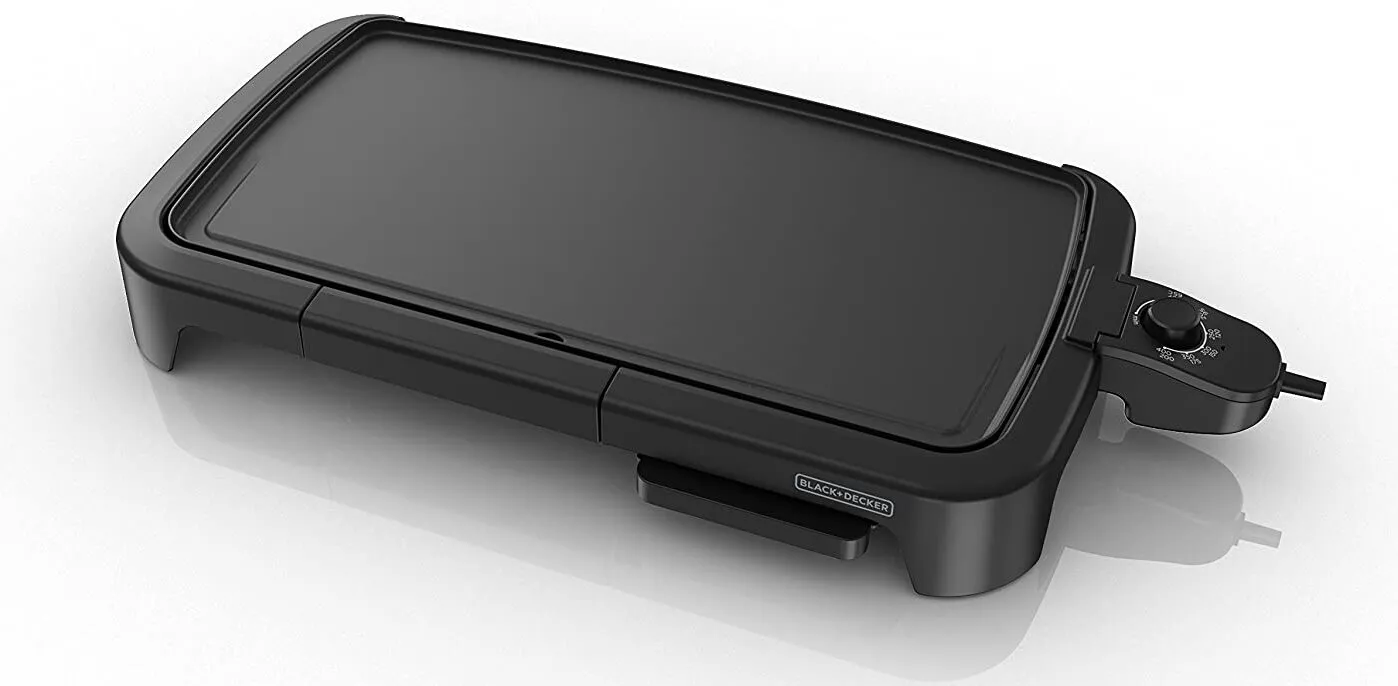
How to Clean an Electric Griddle: The Ultimate Step-by-Step Guide
Electric griddles are versatile cooking appliances that have become increasingly popular in modern kitchens. However, maintaining these devices can be…
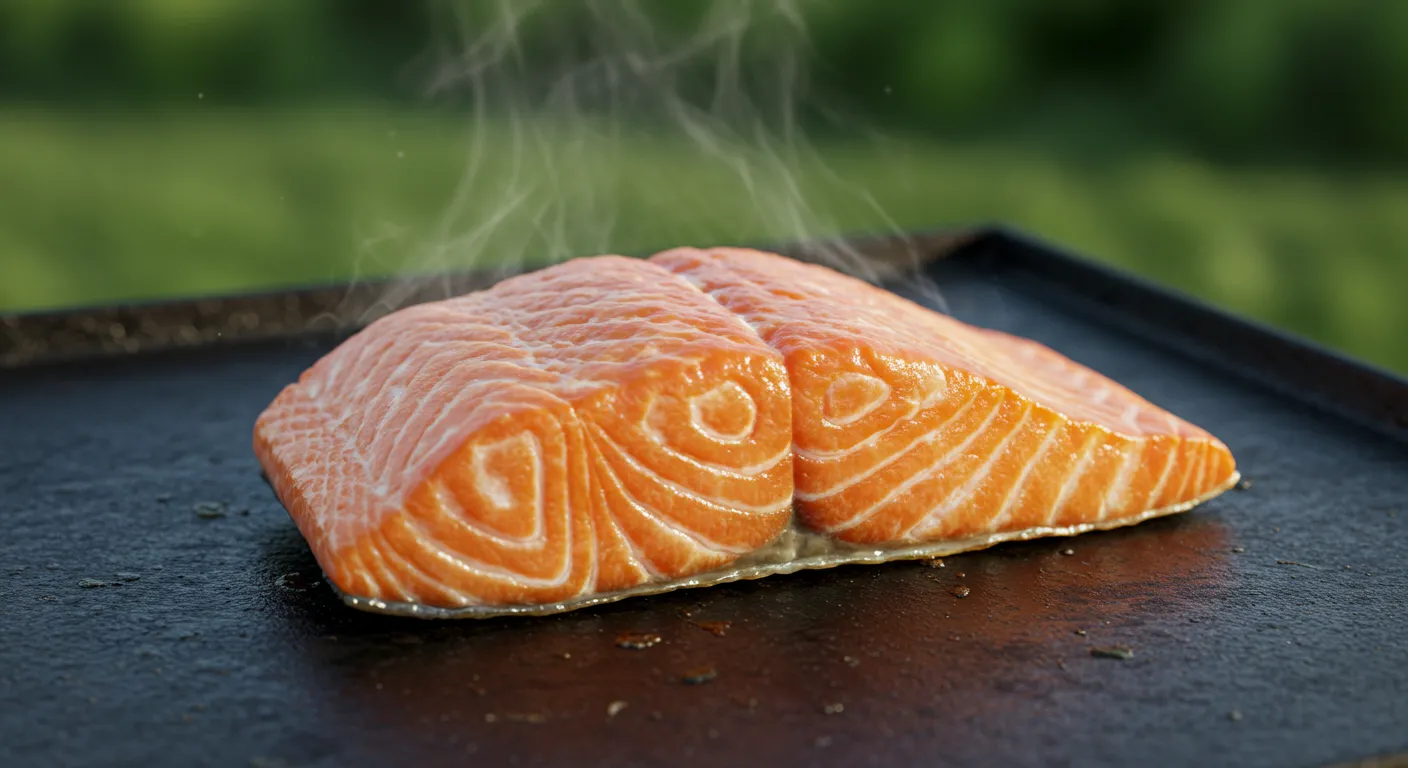
Perfect Blackstone Salmon: Easy Griddle Recipe & Expert Tips
Introduction Cooking salmon on a Blackstone griddle is a game-changing technique that combines the rich flavor of this nutritious fish with the convenience and…
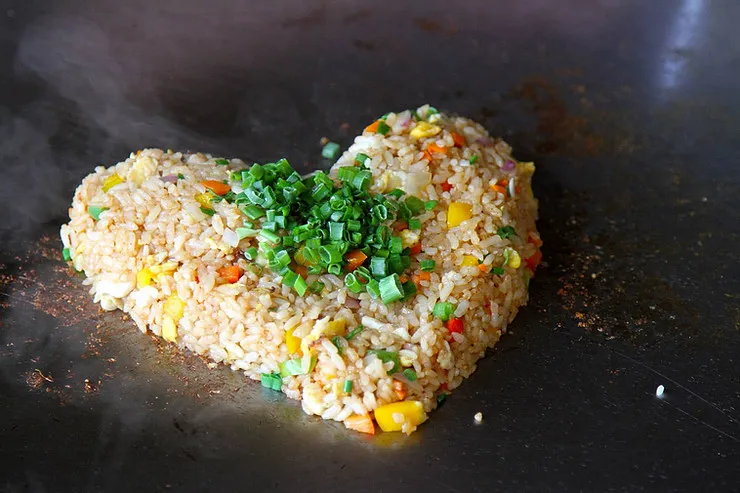
The Ultimate Blackstone Hibachi Recipe: Master Japanese Steakhouse Flavors at Home
Are you yearning for the sizzling excitement and mouthwatering flavors of a Japanese steakhouse without the hefty price tag? Look no further! Our comprehensive…