
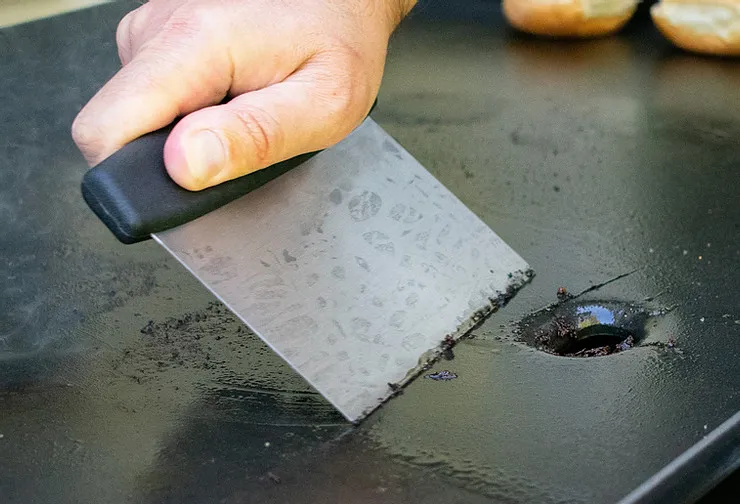
The Ultimate Guide to Cleaning Your Blackstone Griddle
How to Clean Blackstone Griddle: Step-by-Step Guide
Keeping your Blackstone griddle clean isn’t just about looks — it directly impacts performance, food flavor, and how long your griddle lasts. A properly cleaned and maintained griddle delivers consistent heat, prevents rust, and makes every cook easier and more enjoyable. This guide breaks down how to clean Blackstone griddle surfaces clearly, with step-by-step instructions you can rely on.
Why Regular Cleaning Matters
Blackstone griddles use cold-rolled steel cooking surfaces that benefit from a protective seasoning layer. Grease, carbon buildup, and stuck-on food left behind after cooking quickly degrade that layer, leading to:
-
Increased sticking and uneven cooking
-
Rust formation
-
Unpleasant flavors transferring between foods
-
Harder, longer cleanups later
Regular cleaning — right after each cook and periodically deep cleaning — keeps the surface non-stick and rust-resistant without harsh chemicals.
What You Need
Before we get into steps, gather these basic tools:
-
Metal scraper or spatula — the workhorse for removing food debris
-
Heat-safe gloves (optional but safer)
-
Paper towels or microfiber cloths
-
Warm water (not cold)
-
Thin cooking oil (e.g., canola, grapeseed) for protection
-
Grease cup or disposable container for residue
(optional) grill stone/pumice stone for rust or tough buildup
Having everything ready makes the process smoother and faster.
How to Clean Blackstone Griddle — After Every Cook
These quick steps keep your cooking surface at peak performance and should be done every time you use the griddle.
1. Work While the Griddle Is Still Warm
After cooking, turn off the heat and let the surface cool slightly — you want it warm enough that stuck food loosens easily, but not dangerously hot.
2. Scrape Off Food and Grease
Use the metal scraper to push debris toward the grease trap or cup. Work in small, overlapping motions so you remove as much residue as possible without gouging the steel.
3. Steam Clean (Optional but Effective)
Add a little warm water to the hot surface. It turns into steam and helps lift stubborn bits off the steel. Scrape again as the steam loosens stuck food.
4. Wipe Down
Use paper towels or a microfiber cloth to wipe the surface clean and absorb excess water or oil. If needed, repeat the rinse-wipe cycle until the surface looks mostly clear.
5. Oil the Surface
Apply a thin layer of high smoke point oil while the griddle is still warm. This replenishes the seasoning layer and protects against moisture and rust.
Pro tip: Don’t overdo the oil — a thin, even coat is all you need.
Deep Cleaning — When, and How
Even with good after-cook routine care, occasional deep cleaning helps reset build-up and restore a smooth surface.
When to Deep Clean
Consider a deeper clean when:
-
You see persistent carbon buildup after scraping
-
Grease has hardened in places
-
Rust spots are beginning to form
-
Food begins sticking more than usual
Deep Cleaning Steps
-
Heat the Griddle: Warm the surface to loosen heavy buildup.
-
Scrape Aggressively: Push stubborn residues into the grease trap.
-
Use Grill Stone for Rust/Carbon: A pumice-style stone removes chunks without damaging the steel.
-
Wipe Clean: Remove loosened debris with cloths and warm water.
-
Re-Season: Apply a fresh thin oil layer and heat it until it bonds.
Deep cleaning can take more effort, but it pays off in a smoother cooking surface and easier regular cleanups.
Common Mistakes to Avoid
Using dish soap after every cook.
Routine use of soap can strip seasoning and make food stick more often. Save soap for initial setup or deep cleaning only, and always re-oil afterward.
Scraping on a cold griddle.
Cold steel doesn’t loosen food as easily — warm surfaces release debris with less elbow grease.
Skipping oil at the end.
Without a protective oil layer, moisture and oxygen quickly form rust on carbon steel surfaces.
Storage and Long-Term Care
-
Cover your griddle when not in use to block moisture and dust.
-
Store in a dry place if possible.
-
Inspect occasionally for rust or signs of wear.
-
Re-season periodically even if surface looks fine — it strengthens your protective coating.
Conclusion
Knowing how to clean Blackstone griddle the right way keeps your cooking surface performing beautifully and makes every cook easier. By scraping after every use, steaming to loosen stubborn residue, wiping thoroughly, and finishing with a thin coat of oil, you protect your investment and enjoy tastier results.
Deep cleaning occasionally and avoiding common mistakes ensures your griddle stays reliable for years of backyard feasts.
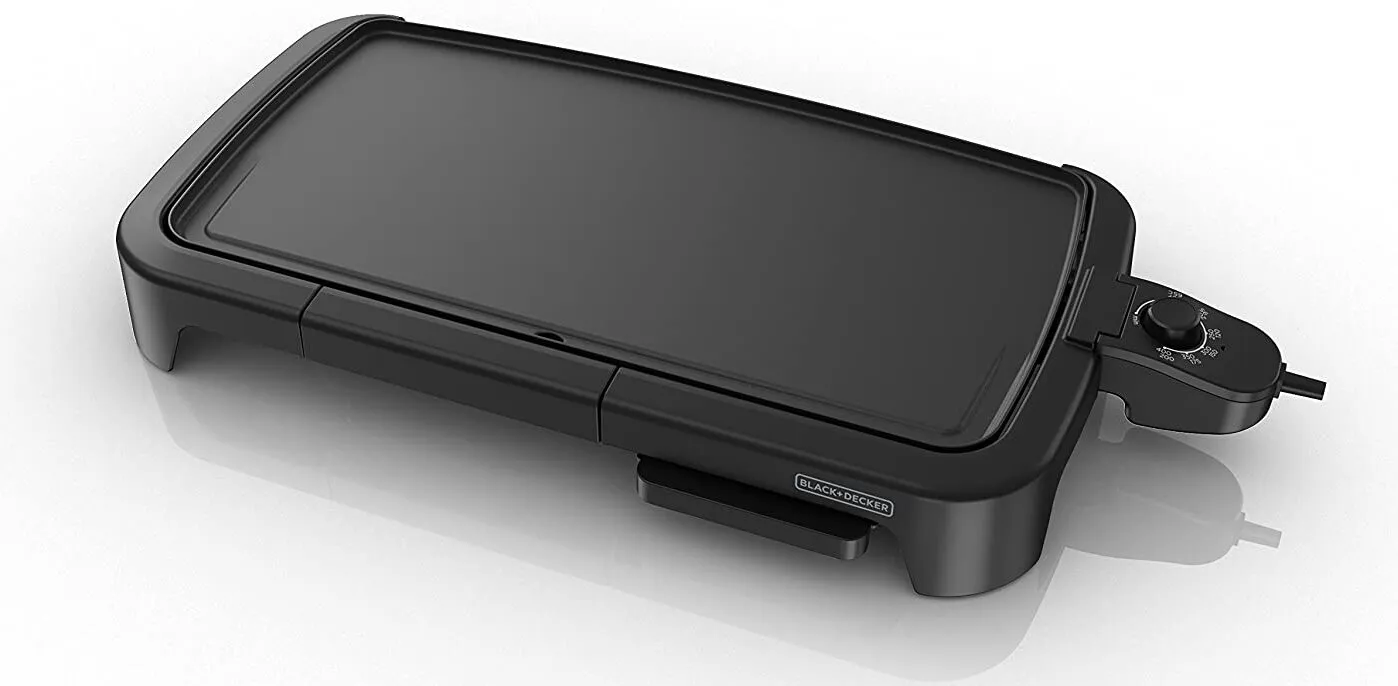
How to Clean an Electric Griddle: The Ultimate Step-by-Step Guide
Electric griddles are versatile cooking appliances that have become increasingly popular in modern kitchens. However, maintaining these devices can be…
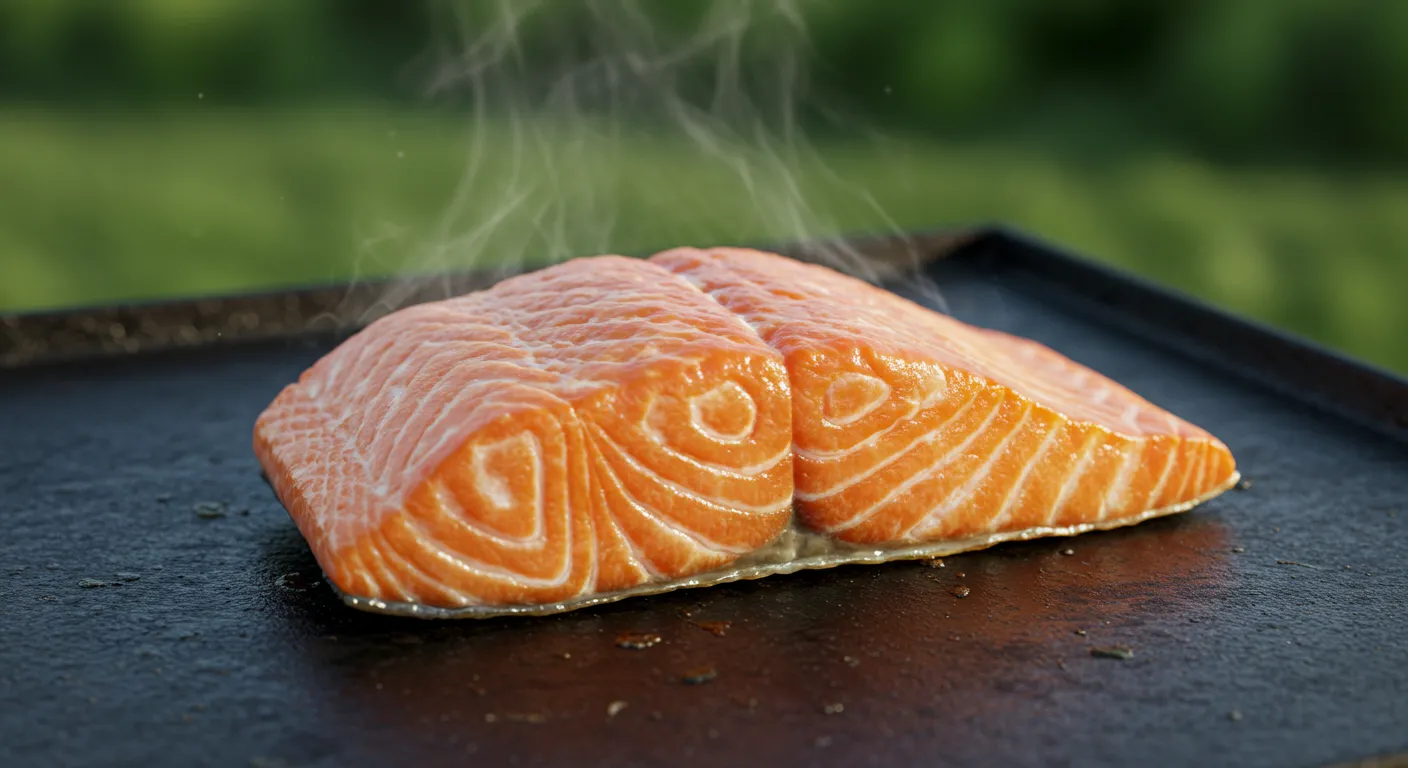
Perfect Blackstone Salmon: Easy Griddle Recipe & Expert Tips
Introduction Cooking salmon on a Blackstone griddle is a game-changing technique that combines the rich flavor of this nutritious fish with the convenience and…
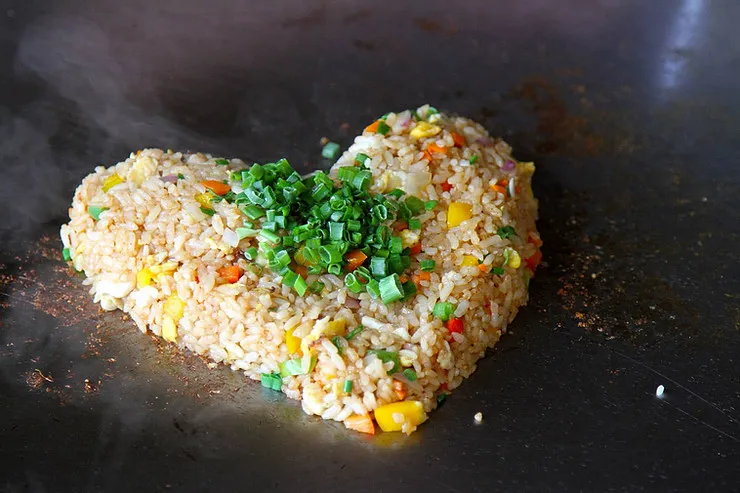
The Ultimate Blackstone Hibachi Recipe: Master Japanese Steakhouse Flavors at Home
Are you yearning for the sizzling excitement and mouthwatering flavors of a Japanese steakhouse without the hefty price tag? Look no further! Our comprehensive…